WRAP is a global environmental action NGO. We change how food, packaging and textiles are made, used and reused; protecting our planet and strengthening our economy. We call this circular living.
We are the people who do. We connect. We evidence. We solve. We deliver.
Across the world, WRAP brings more than 1,000 businesses together with governments and civil society to tackle environmental challenges across food, resource use, packaging and textiles; challenges that require the collective action of many. For over 25 years, we have innovated to meet the problems of the day.
With an impartial evidence base, deep technical expertise and trusted on-the-ground delivery on our side, WRAP addresses the whole system. We shape markets and behaviours, influence policy and investment, and redesign products and processes at scale. We create more value from our precious resources.
This is our pursuit of circular living, for the benefit of livelihoods, economies and our natural world.
Why circular living matters
Nearly half of global greenhouse gas emissions come from the food, textiles and products we produce and consume - and only 7% of the materials we use come from secondary sources.
WRAP offers a different way forward: reshaping the systems behind what we eat, buy, use and throw away in everyday life so resources are used more wisely.
We call this circular living.
"We're looking to do more. With more partners. To create more change and embed circular living on a global scale."
Catherine David, Chief ExecutiveWRAP turns the ambition of circular living into practical action - convening partners, building evidence and supporting delivery across global markets.
We believe that change on the scale we need happens by bringing government, business and society together. For systems to change, Partners, Policy and People need to take part.
WRAP works at that intersection - shaping the policy environment, convening the partners who can act, and engaging the people whose everyday choices decide whether change sticks.
countries
employees across 3 continents
business and government partners
tonnes CO2e avoided
of societal value
of benefit for every £1 spent
of stakeholders agree WRAP plays a crucial role in their sector
track record of delivery
Environmental, social and economic impact delivered with partners across food, packaging, textiles, water and resource use.
Environmental Impact
CO2e saved through food waste reduction (2019–2024)
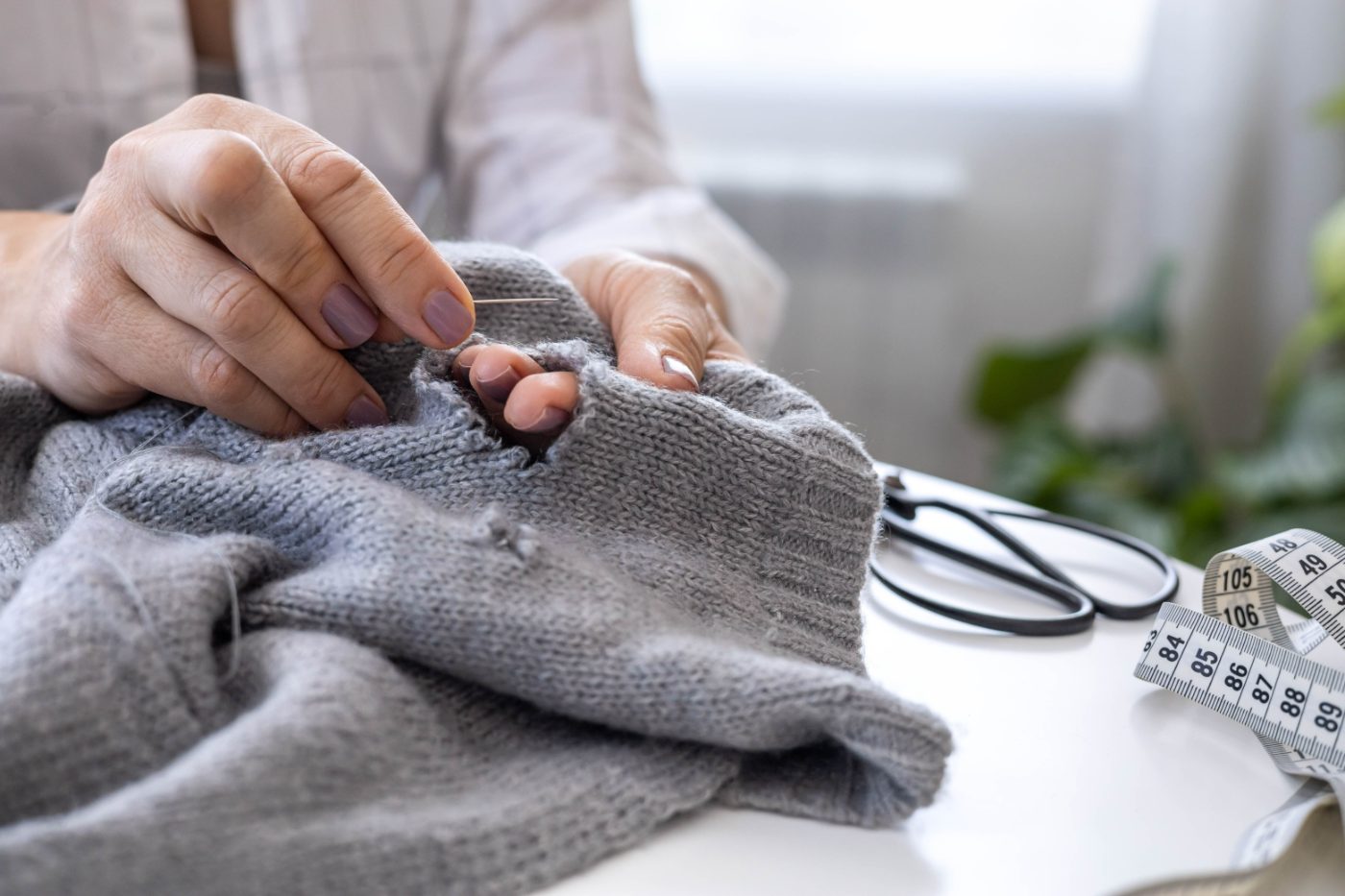
In 2024-5, UK Textiles Pact members' reuse and recycling activity displaced 1.12 million tonnes of CO2e.
Social Impact
meals redistributed
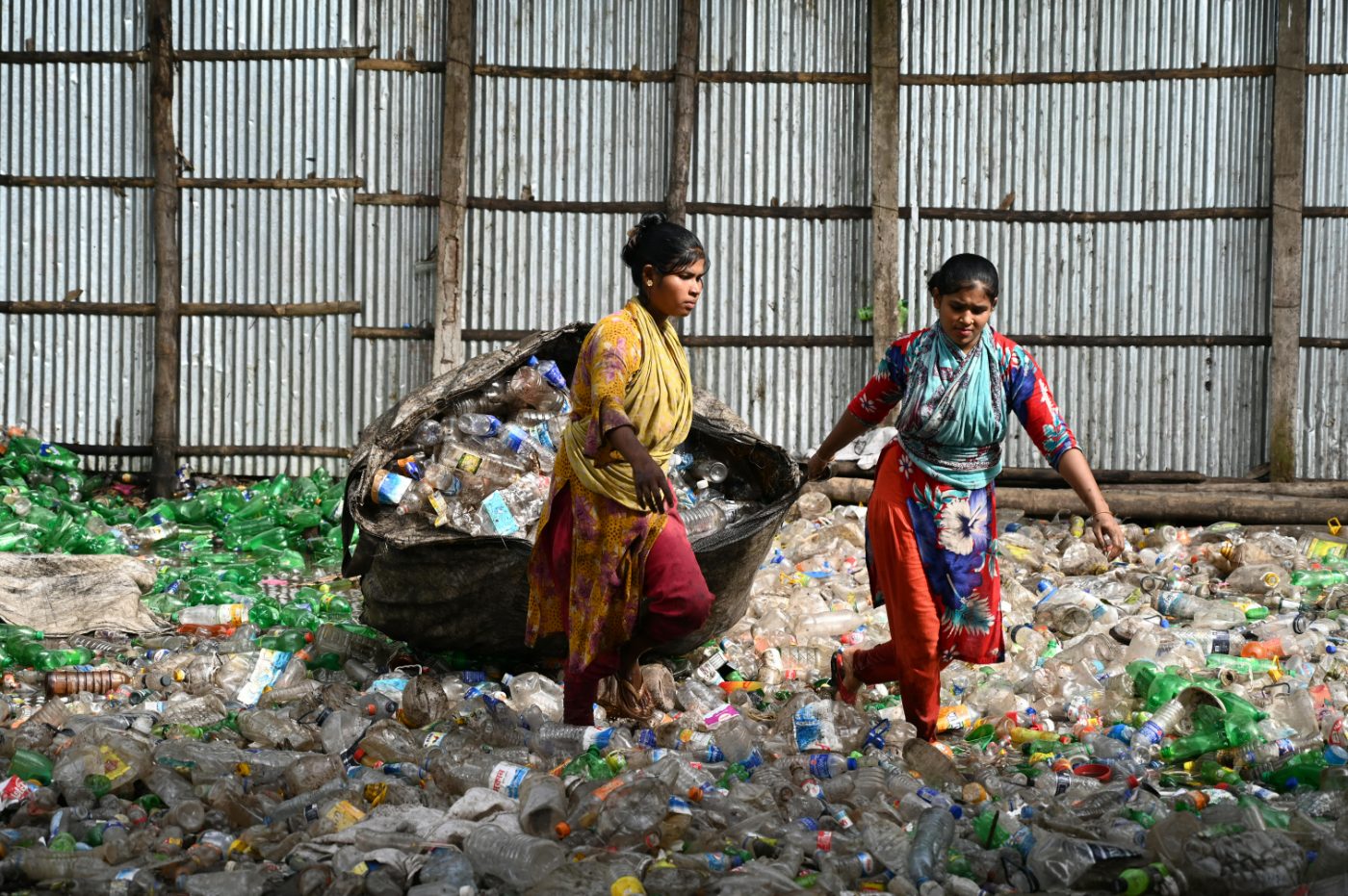
An inclusive plastics collection scheme in Pune through the India Plastics Pact supports 750+ waste pickers with direct payments and has created 43 formal jobs.
Economic Impact
in financial savings made by 9 signatories in The Australian Food Pact
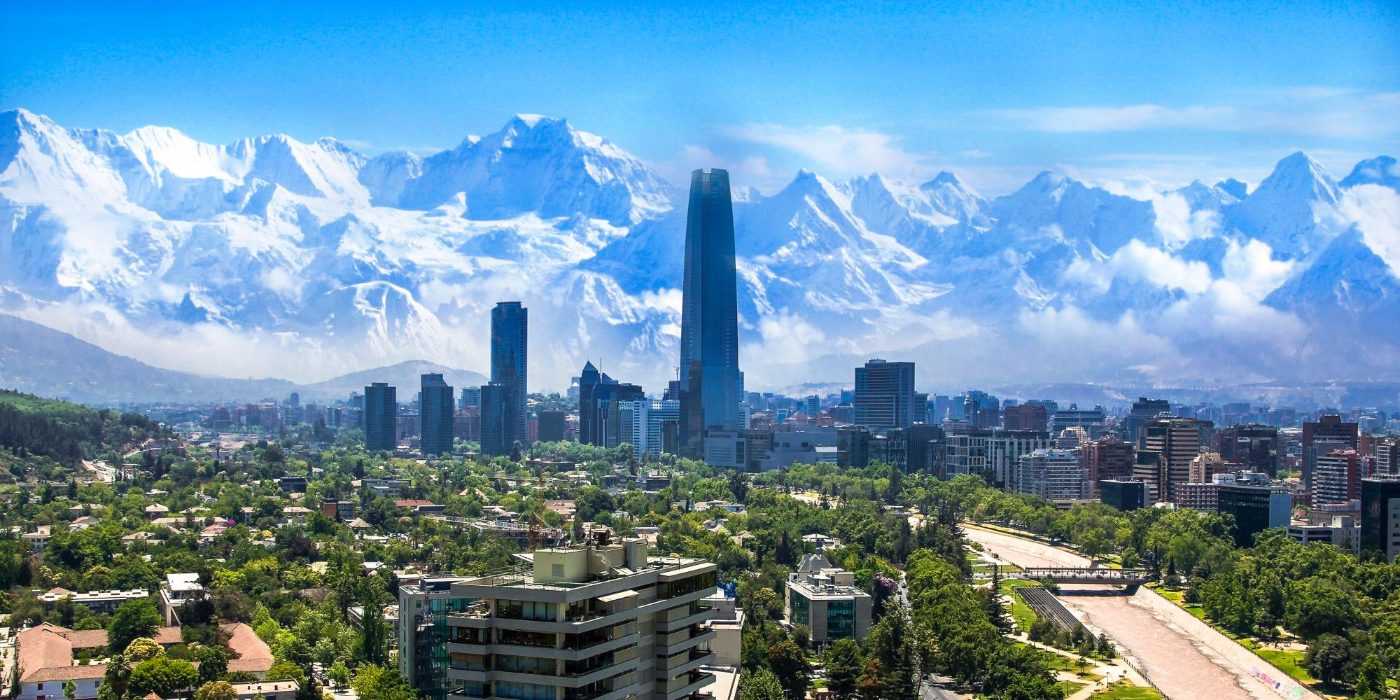
Chile Plastics Pact members helped turn flexible plastics from a low-value waste stream into a material with commercial end markets by testing collection routes and market outlets.
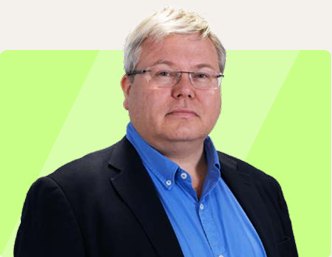
Chair
WRAP is no exception to significant change for the environmental sector, with funding models, policy priorities and global challenges all rapidly evolving. More significantly however, the demand for our blend of technical and policy expert-solutions is increasing.
As companies and governments around the world urgently look for solutions that resolve future economic success with reduction in environmental risk and affordable innovation, WRAP has continued to develop as a global NGO. Now supported by a broader and more diverse funding base, we are working with a wider range of partners to deliver system change with better economic, societal and environmental outcomes. Meanwhile we carefully nurture our independence, which is a source of credibility and trust.
WRAP's strength lies in its people and their insight: a global network of experts with unique independent data sets, deep technical knowledge, practical delivery experience and a clear understanding of what funders need.
As a global Board we have ensured WRAP remains resilient, focused and well positioned to respond with careful stewardship of resources. We have supported our Executive in moving resources towards areas of growing demand, while thanking those who have served in areas where the job, at least for now, appears to be done. We continue to look for experts in our field and adjacent ones with whom to collaborate efficiently and increase our effectiveness around the world.
On behalf of the Board, I would like to thank our funders, long-standing and new, our partners, and our colleagues, for their continued commitment to the impact we make together.
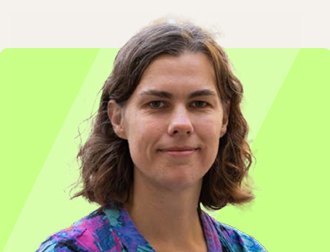
Chief Executive
The race to reduce the likelihood of the worst impacts of climate change is now joined by the polycrises of extreme weather events, geopolitical volatility and economic instability. The world needs solutions that can address the root causes of all of these problems and bring the environmental benefits alongside economic and social ones.
WRAP has 25 years of creating circular economy solutions to do just this. We have learnt that the stickiest, most successful programmes are the ones created collaboratively - locally led, globally connected - and developed by technical experts who understand what it takes to turn evidence and insight into practical actions that governments, sub-national governments and businesses can take in their policy making and operational decisions. Today we bring together governments, civil society organisations and over 1,000 businesses in 40 markets globally to drive collaborative action. Together, we are reducing emissions and resource use, saving people and businesses money, building more resilient supply chains and creating wider social value.
Food waste is one area where global momentum is building. Governments, businesses and international partners are increasingly recognising that it is one of the fastest and most practical ways to cut emissions, improve food security and reduce costs. Through our Food programme and network of Food Pacts, WRAP is helping to deliver these benefits. We know that circular living provides many more opportunities: the progress in this report across food, packaging, textiles and resource use shows that impact at scale can be delivered when evidence, collaboration and delivery come together.
Our ambition: halve global food waste for climate, people and prosperity.
WRAP is working with partners globally to transform our food system. Our focus is simple but powerful: cutting food waste, greenhouse gas emissions, and managing water sustainably.
Actions that mean families can put food on the table, businesses thrive on smarter supply chains and nature recovers. From cleaner rivers to resilient farmlands.
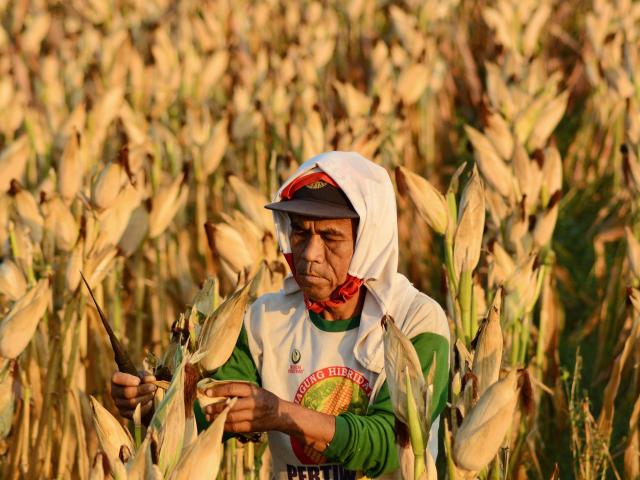
tonnes of food lost or wasted annually
people face hunger each year
of global greenhouse gas emissions are linked to food loss and waste
lost from the global economy every year through food loss and waste
Launched in 2024, with support from the Rainier Climate Group, the Food Pact Network brings together 10 Food Waste Pacts to share knowledge, pool resources and accelerate action across the global food system. In 2025, WRAP published the first Pact-wide impact report, Transforming the Food System Together.
During the year, WRAP supported the launch of a new Pact in Brazil and welcomed the International Food Waste Coalition (IFWC) into the Pact Network. IFWC has helped hospitality businesses in Europe collectively reduce food waste by 25%.
WRAP also began work with the Global Methane Hub in Brazil, Indonesia and South Africa to reduce food loss and waste and cut methane emissions.
Food Pacts across 9 countries
organisations involved
of global GDP represented
of surplus food redistributed
of food waste prevented
of carbon emissions avoided
"The Pact creates a unique space where government, business and civil society can join forces to confront one of the country's most urgent social and environmental challenges."
Luiza Soares, Brasil Sem Desperdício, WWF Brasil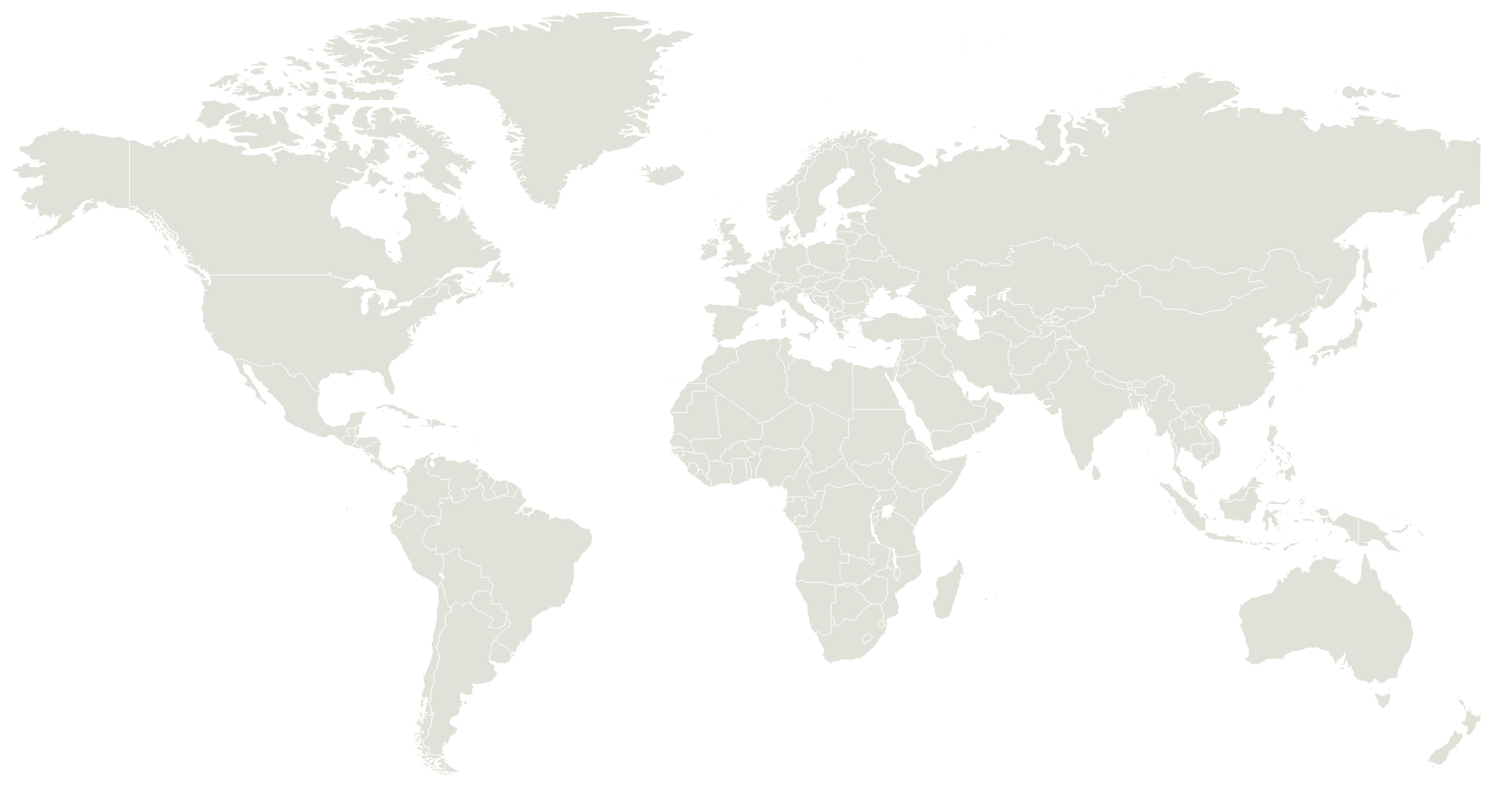
National Pacts
Regional commitment
Indonesia
National guidelinesThe GRASP 2030 Pact has created national food redistribution guidelines, removing barriers to food recovery at scale.
Mexico
Household food waste studyPacto por la Comida has delivered Mexico's first large-scale household food waste study and supported practical action in hospitality, including a 22% food waste reduction and 9% food cost reduction at Holiday Inn Resort Ixtapa.
South Africa
10,700 campaign engagementsThe Consumer Goods Council of South Africa launched the country's first nationwide digital food waste campaign, encouraging meal planning and better storage. Early uptake included 10,700 landing page visits and 731 campaign downloads.
United Kingdom
500m meals · £870mUK Food and Drink Pact members are using WRAP's Target, Measure, Act approach to cut food waste and costs, with some reporting reductions of up to 40% and one signatory saving £77,000 in a year. Across the UK, 210,000 tonnes of surplus food were redistributed - equivalent to 500 million meals, valued at £870 million.
Netherlands
−40% unsold breadAlongside significant country-wide waste reductions, unsold bread returned from supermarkets to bakeries has reduced by 40% in 4 years.
Full details available in Transforming the Food System Together.
WRAP's Love Food Hate Waste campaigns empower householders across the world to save money and make healthy meals by keeping food out of the bin and on their plates.
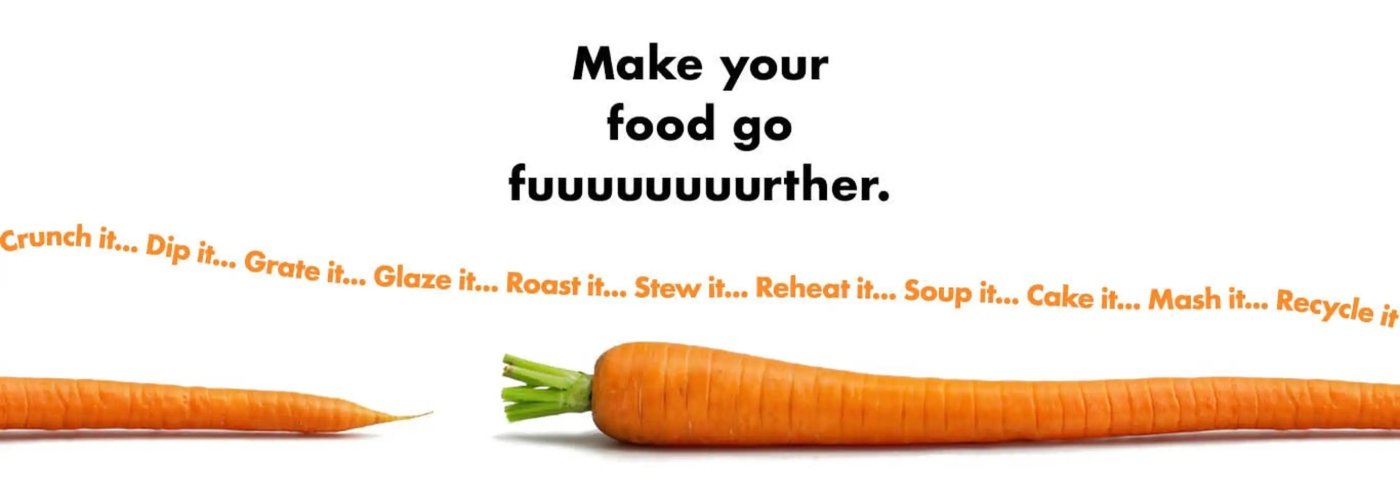
In the UK, WRAP's Food Waste Action Week 2026 campaign - "Make your food go fuuuuurther" - highlighted how wasting less food can save households money, time and resources.
WRAP Americas took household food waste prevention into US communities, from Wild About Saving Food in Hamilton County to Denver's Camp Waste Not campaign, where outreach through schools, stores, social media and door-to-door engagement supported a 17% reported increase in people intentionally reducing food waste.
Water scarcity, declining water quality and climate volatility are placing growing pressure on supply chains. Water is therefore central to a secure, resilient global food system. WRAP's Water Roadmap is the only programme that brings businesses, growers, catchment partners and regulators around the world together around a clear pathway for action - helping protect the water that farms, nature and people depend on.
Doñana is one of Europe's most important fruit sourcing regions, but faces severe pressure from intensive agriculture, illegal water use and climate change. Through locally led action with producers, retailers, irrigation communities, researchers, authorities and NGOs, the project has brought stakeholders together, restored habitat, unlocked further funding and strengthened legal water and land-use alignment.
stakeholders convened
of habitat restored
further funding unlocked
technical & business advisors strengthening legal water and land-use alignment
Food production and consumption account for around 30% of global greenhouse gas emissions. WRAP is leading global action towards a net zero food system, providing the industry with tools to improve data consistency and helping businesses move from measurement to action. Examples include the GHG Model, which tracks progress across the UK food system, and LED 4 Food, which improves the quality and consistency of environmental data so businesses can take coordinated action across shared supply chains.
The UK Food System Net Zero Transition Plan, launched with IGD and EY, sets out the shared action needed to halve food system emissions by 2030 and creates the framework for transition finance to be mobilised at scale.
In March 2026, WRAP launched the Global Sustainable Transition Alliance with Wageningen University & Research, to develop a publicly available, universally harmonised Scope 3 GHG footprinting methodology for the food and beverage sector. The initiative brings together major food industry multinationals, sustainability standards, supply chain data standards and technology providers, collaborating to eliminate reporting barriers between suppliers and retailers and accelerate data-driven action towards science-based climate targets.
Our ambition: transform the world's packaging systems.
With our partners, we are driving practical solutions for a circular economy for plastics and packaging.
WRAP works with businesses, governments and partners worldwide to eliminate unnecessary plastic and packaging, improve recyclability, scale reuse and refill, and increase recycled content.
Plastic pollution has serious consequences for human health and nature.
tonnes of plastic packaging produced every year
tonnes of plastic could enter the environment annually by 2040
The Plastics Pact Network, convened by WRAP and the Ellen MacArthur Foundation, brings together more than 900 organisations across 13 national and regional initiatives in 19 countries. In 2025, the Network won the World Economic Forum's GAEA Award for 'Enabling Innovation Breakthrough', recognising its role in accelerating systems change for people, nature and climate.
Since launch, members have eliminated 360,000 tonnes of plastic they didn't need, reduced plastic packaging by 9%, increased recycled content in packaging by 44% and achieved a 23% increase in recyclable, reusable or compostable packaging.
increase in recycled content in packaging
increase in recyclable, reusable or compostable packaging
reduction in plastic packaging
National Pacts
Regional Plastics Pact
Our second Pact-wide event, in Brazil, brought together members of the Plastics Pact Network with members of the Food Pact Network to share proven solutions to cut plastic pollution and food waste at scale.
Locally led, globally connected - the model that lets partners move faster together than any of them could alone.
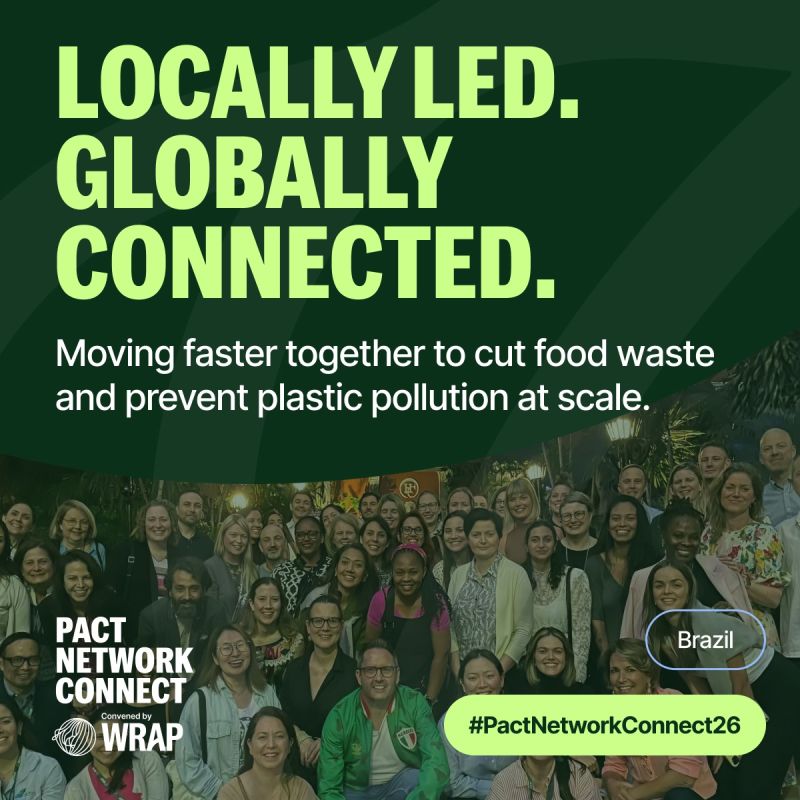
"When we combine local leadership with a strong global connection, we can move faster and with greater impact than by acting alone."
Patricia Carvalho, Portuguese Plastics PactDuring 2025-26, WRAP provided policymakers with evidence and practical insight to support packaging policy development and implementation. As Global Plastics Treaty negotiations continued, WRAP used the Plastics Pact Network to demonstrate scalable, treaty-aligned solutions already being delivered across markets, including at INC-5.2 in Geneva.
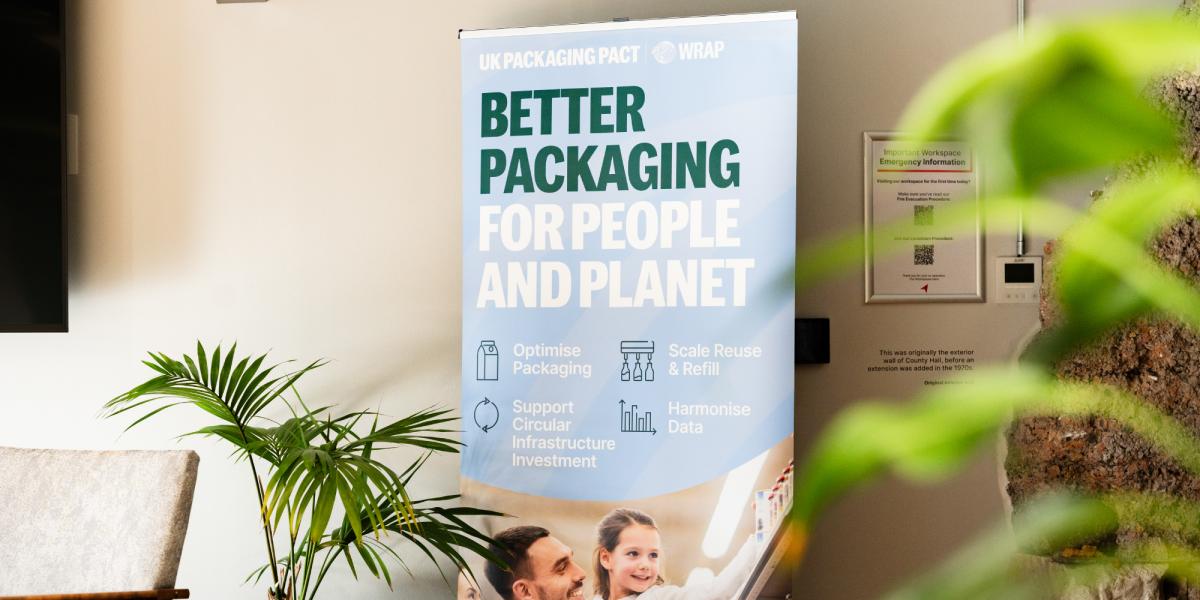
In the UK, the new UK Packaging Pact provides a collaborative platform to align business action with Extended Producer Responsibility (EPR), Simpler Recycling and wider packaging reforms.
 Case study · India Plastics Pact
WRAP is a strategic partner to the India Plastics Pact (IPP), bringing technical and operational expertise across the IPP's work to accelerate circular solutions for plastics. In India, 70% of consumer plastic packaging is flexible and often not recyclable. In 2025, WRAP supported recyclable flexible packaging trials and consumer research on attitudes to plastic packaging and waste, helping partners develop practical solutions grounded in market and consumer insight.
"We are able to bring inclusivity across the value chain, and the plastics economy benefits from the solutions the IPP is working towards."
Ankit Gupta, Chair, Advisory Committee CII-IPP and General Manager, Sustainability, ITC LtdBetween 2018 and 2025, the UK Plastics Pact showed what collective action can achieve. Members eliminated 99.9% of the unnecessary single-use plastic packaging they had identified across their own product portfolios and increased average recycled content across plastic packaging to 28%. In 2026, WRAP launched the UK Packaging Pact, with 100+ founding signatories, taking this proven model beyond plastics to accelerate action across all packaging materials.
"WRAP's expertise and collaborative nature has allowed Haleon to make some truly impactful changes to its packaging."
Joe Muscat, Environmental Sustainability & Innovation Director, HaleonOur ambition: transform our global textiles system, cutting waste, emissions and water use.
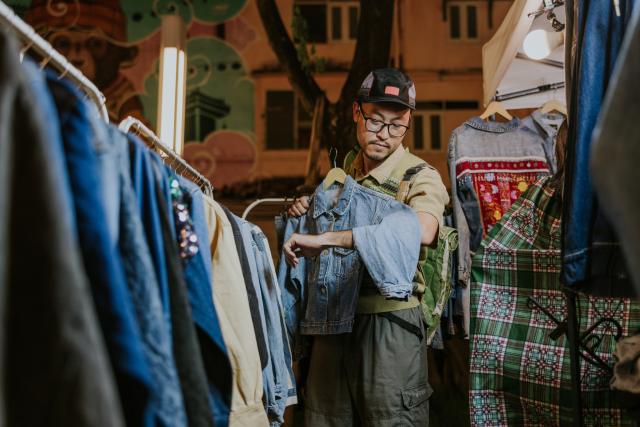
Textiles are essential to daily life and a major source of economic value, but moving from a linear model to a circular one requires systemic change. Rising policy expectations, resource pressures and scrutiny from consumers, investors and regulators are making the shift more urgent.
WRAP is helping businesses and governments respond by building the evidence, tools and collaborative models needed to design longer-lasting products, scale circular business models and keep post-consumer textiles in use for longer.
of global emissions come from textiles
cubic metres of water used every year
projected rise in production by 2030
of used textiles globally are recycled into textile products
The UK Textiles Pact is part of WRAP's wider Textiles Action Network, a global coalition of regional textiles initiatives exchanging knowledge and best practice across geographic borders. It has become a recognised model for collaborative action on circularity and sustainability, and has already informed multi-stakeholder textile collaborations in 6 countries including Denmark, Australia, Switzerland, Germany, South Africa and Canada, where WRAP also supported the development of Canada's Circular Design Toolkit.
"The UK Textiles Pact is informing global progress, inspiring action in Canada and beyond. WRAP's expert input and technical solutions are driving alignment in implementation, while the Textiles Action Network provides a forum for shared learning across diverse local contexts."
Kelly Drennan, Founding Executive Director of Fashion Takes Action | Circular Textiles ConsortiumDuring 2025-26, WRAP provided evidence and practical insight to support circular textiles policy in Europe and the UK, including work with German and Italian organisations, and the Irish Government on the EU Waste Framework Directive and Textiles Extended Producer Responsibility (EPR).
In the UK, WRAP convened partners to build agreement on what mandatory Textiles EPR should deliver, while also providing evidence to inform Defra's developing Circular Economy Growth Plan. WRAP collaborated with other leading organisations through the 2025 G7 Agenda on Circular Textiles & Fashion.
In 2025, WRAP launched the UK Textiles Pact Roadmap 2026-2030, with eight new indicators to help businesses measure and track progress on circular design, circular business models, post-consumer textiles collections and supply chain decarbonisation.
"The UK Textile Pact sets a shared direction that the whole sector can collaborate behind. It creates unity on goals, and importantly, accountability on progress. WRAP has worked closely with eBay on flagship circularity projects, including quantifying the impact of resale."
Kirsty Keoghan, GM European Fashion, eBayreduction in carbon per tonne of textiles
reduction in water per tonne of textiles
CO2e displaced by reuse & recycling
tripled brand & retailer collections for reuse or recycling since 2019
WRAP is helping businesses build the evidence and commercial case for longer-lasting clothing. Through research with the University of Leeds and UK Textiles Pact signatories, WRAP has identified common failure points, garment performance measures and design features that can help products last longer.
The work also explores what consumers expect from durable clothing, and how better design can strengthen customer trust while supporting repair, resale, rental and reuse.
WRAP is now scaling this approach internationally through the Durability Accelerator Initiative, supporting brands in the EU and North America to benchmark performance and improve design.
Our ambition: turn circular economy goals into everyday delivery.
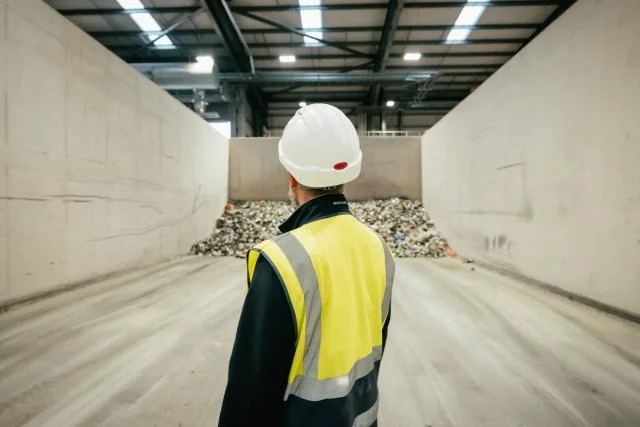
Food, packaging and textiles systems only change when the right infrastructure, procurement, policy delivery and consumer participation are in place. WRAP's resource use work helps governments, local authorities and businesses turn circular economy ambition into practical services, better purchasing decisions and measurable behaviour change.
predicted growth in global waste by 2050, to 3.9 billion tonnes
of materials we use come from secondary sources
WRAP supported Defra and local authorities to prepare for Simpler Recycling, moving from policy design into the practicalities of service change.
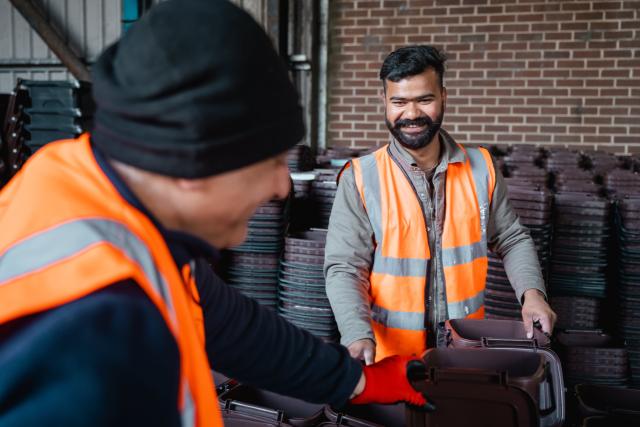
"WRAP is a key delivery partner supporting the Simpler Recycling Reforms. This includes robust research and surveying, clear and practical guidance for local authorities and workplaces, and effective communications to help citizens understand the benefits of new recycling services."
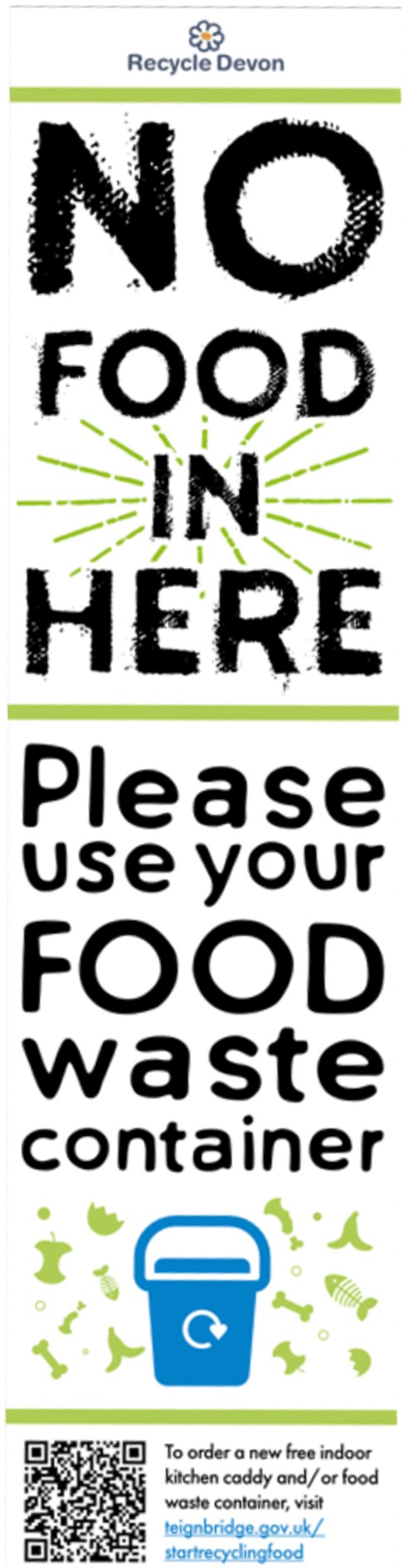
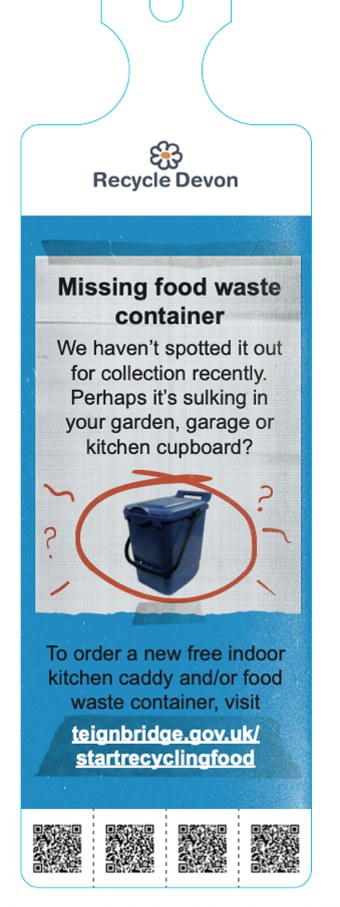
DefraThroughout 2025-26, WRAP worked with the Devon Authorities Strategic Waste Committee in the UK to turn behavioural insights into practical, scalable interventions to help more households take part in food waste recycling. Pilots in Teignmouth tested and measured the impact of deliberately disruptive interventions, including bin tags and stickers.
As a result of the pilot, household participation in recycling increased by 43% and the approach is now scaling across the county.
During 2025-26, WRAP supported Welsh Government and Welsh public sector organisations to embed circularity, decarbonisation and sustainability into live procurement decisions. The programme influenced around £3.387bn of identifiable spend, helping turn sustainability expectations into specifications, tender questions, evaluation criteria and supplier evidence requirements.
"The Maturity Reports have helped kick off Responsible Procurement and give us credibility… WRAP provided consultancy support, training and resources to help our team better understand sustainable procurement."
Cardiff UniversityIn 2025-26, WRAP supported Welsh Government, public bodies and manufacturers to turn circular economy ambition into practical action. The Welsh Government Collections Blueprint 2025 features 29 bilingual case studies from all 22 local authorities in Wales, highlighting elements of their service delivery that contribute to Wales being number 2 in the world for recycling.
WRAP's new service in Wales supported 30 businesses through one-to-one advice and webinars, helping them identify circularity opportunities, from reusable medical sharps containers to local outlets for hard-to-recycle production waste.
Working with practitioners, charities and businesses, WRAP helped generate 87 intervention ideas to make clothing reuse easier, more trusted and more attractive for the Welsh public.
WRAP helped Welsh businesses explore leasing, reuse and repair models.
"The action plan is very useful, overall, very impressed…. A second pair of eyes from outside of the organisation helped make things clearer and identify specific actions that can be taken."
Carwyn Webb, AirbondWRAP supported DAERA to turn its Resources & Waste Management Strategy into a practical delivery plan, while helping councils improve food waste collections, Household Recycling Centres and wider service changes.
The progress set out in this report shows what is possible through collective action. By connecting governments, funders, businesses, partners and communities, and by applying technical expertise to shared challenges based on evidence, WRAP is unlocking benefits at scale for people and planet - from lower costs and emissions to stronger supply chains, greater resilience and new opportunities for sustainable growth.
WRAP will continue to work with partners to accelerate circular living and deliver benefits for people and planet by:
Future-proofing food
Pioneering packaging
Transforming textiles
Revolutionising resource use
Join us - as a funder, partner, or business committed to accelerating circular living worldwide.
Work with WRAPOur work is made possible through funding from governments, businesses, philanthropy and multilateral organisations alongside the continued commitment of our Pact members. We thank them all. They include, for example:




Our income and expenditure for 2025-26, with 2024-25 shown alongside for comparison. All figures are in £ millions.
| Source | 2025/26 | 2024/25 |
|---|---|---|
| UK government grants | 12.1 | 13.8 |
| Other UK government bodies and local authorities | 1.6 | 1.5 |
| Non-UK governments | 0.5 | 0.1 |
| Business contributions to UK voluntary agreements | 3.3 | 3.3 |
| Trusts and foundations | 6.4 | 4.4 |
| Other income | 3.0 | 4.1 |
| Trading and investment | 1.1 | 1.5 |
| Total income | 28.0 | 28.7 |
| Programme | 2025/26 | 2024/25 |
|---|---|---|
| Textiles | 1.9 | 2.6 |
| Food | 12.1 | 10.5 |
| Plastics | 3.3 | 3.8 |
| Accelerating the Circular Economy (Resource Management) | 12.4 | 11.7 |
| Subtotal | 29.7 | 28.6 |
| Other including trading | 1.4 | 1.0 |
| Total expenditure | 31.1 | 29.5 |
For more information, our full Annual Report and audited accounts are available on our website.